
Logo_ingv
Istituto Nazionale di Geofisica e Vulcanologia
  • Organization
    • About us
      • Organs and structures
      • Sections and locations
      • Staff
    • Research departments
      • Environment
      • Earthquakes
      • Volcanoes
    • Rules and regulations
  • Research
    • Research topics
      • Environment Research
      • Earthquakes Research
      • Volcanoes Research
      • Transversal themes
    • Projects and Agreement
      • Affiliations
      • Projects
      • PNRR projects
      • Einstein telescope
    • Seminars
    • Workshop
    • International School of Geophysics Enzo Boschi
    • Research products
      • Annals of Geophysics
      • Earth-prints
      • Journal of Geoethics and Social Geosciences
      • INGV editorial series
      • INGV Monographs
  • Monitoring and infrastructure
    • Surveillance
      • Seismic surveillance service
      • Tsunami warning service
      • Active Volcano Surveillance Service
      • Space Weather Surveillance Service
    • Monitoring networks
      • INGV and its networks
    • Emergency activities
      • Seismic emergencies
      • volcanic emergencies
      • Emergency groups
    • Geophysical Observatories
      • instrumental observers
    • Our Labs
    • Computing centers
    • Epos
    • Emso
  • Resources and Services
    • Monitoring products
      • Reports reports and reports
      • Bulletins
      • Map
    • Centers
      • Seismic Hazard Center (CPS)
      • Volcanic Hazard Center (CPV)
      • Tsunami Warning Center (CAT)
      • Subsoil Activity Monitoring Center (CMS)
      • Space Earth Observation Center (COS )
      • Center for Monitoring of the Aeolian Islands (CME)
      • Center for Geophysical Characterization for the Einstein Telescope (CCGET)
    • Open Science
      • Open science at INGV
      • Data management office
      • Catalogs and databases
    • Archives and Data Banks
    • Patents
    • Libraries
  • Press and URP
    • Press office
      • News
      • Press releases
      • Press notes
      • Press review
      • Press archive
      • Contact us
    • URP
    • INGV Newsletter Archive
  • Communication and Disclosure
    • Museums, information centers and activities with schools
      • Museums
      • Information centers
      • Activities with schools
    • Educational
    • Risk reduction projects and information campaigns
      • edurisk
      • I don't risk
    • Discovering
      • of the Environment
      • of earthquakes
      • of the Volcanoes
    • Blog & Social Channels
      • INGV environment
      • INGVEarthquakes
      • INGV volcanoes
      • Social Media
    • Story maps
      • Story maps and Earthquakes
    • Podcast
      • UNSTABLE EARTH A journey into the heart of our planet
      • More than a world map
    • Events
      • 25yearsINGV
      • Twenty years of INGV
      • Researchers' Night
  1. You are here:  
  2. Home
  3. Search for articles
  4. Einstein

The Scientific Context

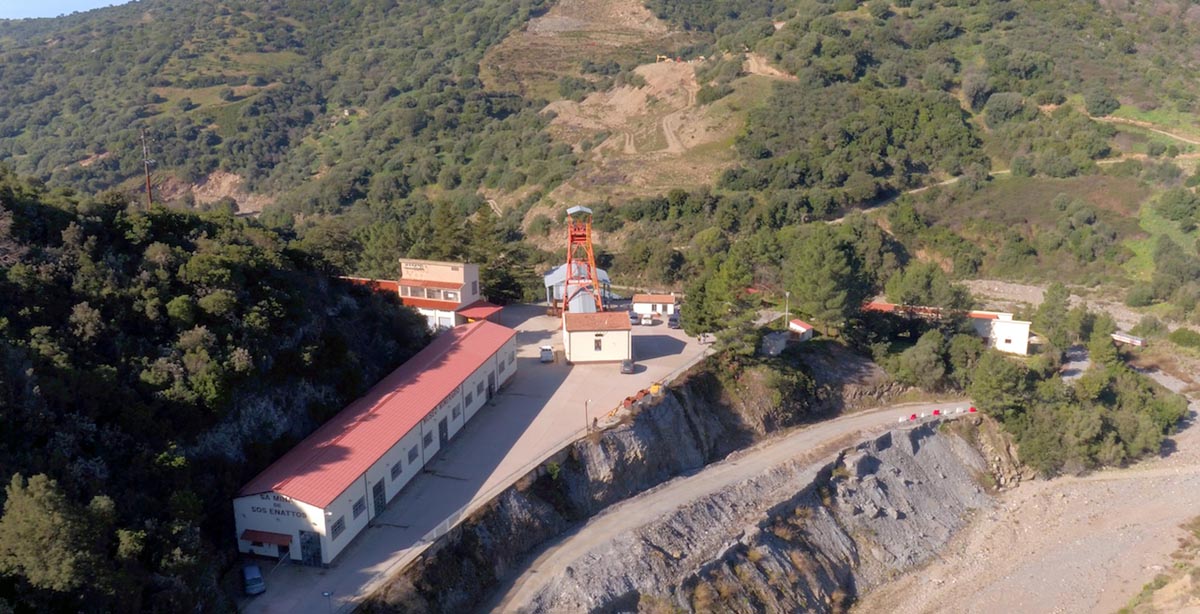
Einstein Telescope (ET) is the large research infrastructure of the future gravitational wave detector to be built in Europe, a project with a world-class scientific and technological impact, which Italy is a candidate to host in Sardinia in the area of ​​the disused Sos Enattos mine.
ET is considered a leading project at an international level, so much so that it is included in the Roadmap by ESFRI 2021 (European Strategy Forum on Research Infrastructures), the European body that indicates which scientific infrastructures are crucial to invest in Europe, thanks to an Italian-led proposal supported by Belgium, the Netherlands, Poland, and Spain.
On February 9, 2023, the Ministry of University and Research (MUR) established, by decree of Minister Anna Maria Bernini, a high-profile Technical-Scientific Committee to support the Italian candidacy, chaired by Nobel Prize winner in Physics Giorgio Parisi.

R5 7257Matteo Serra (INFN)


IMG 5331© ️EGO/INFN

Finding the Ideal Site: Sardinia

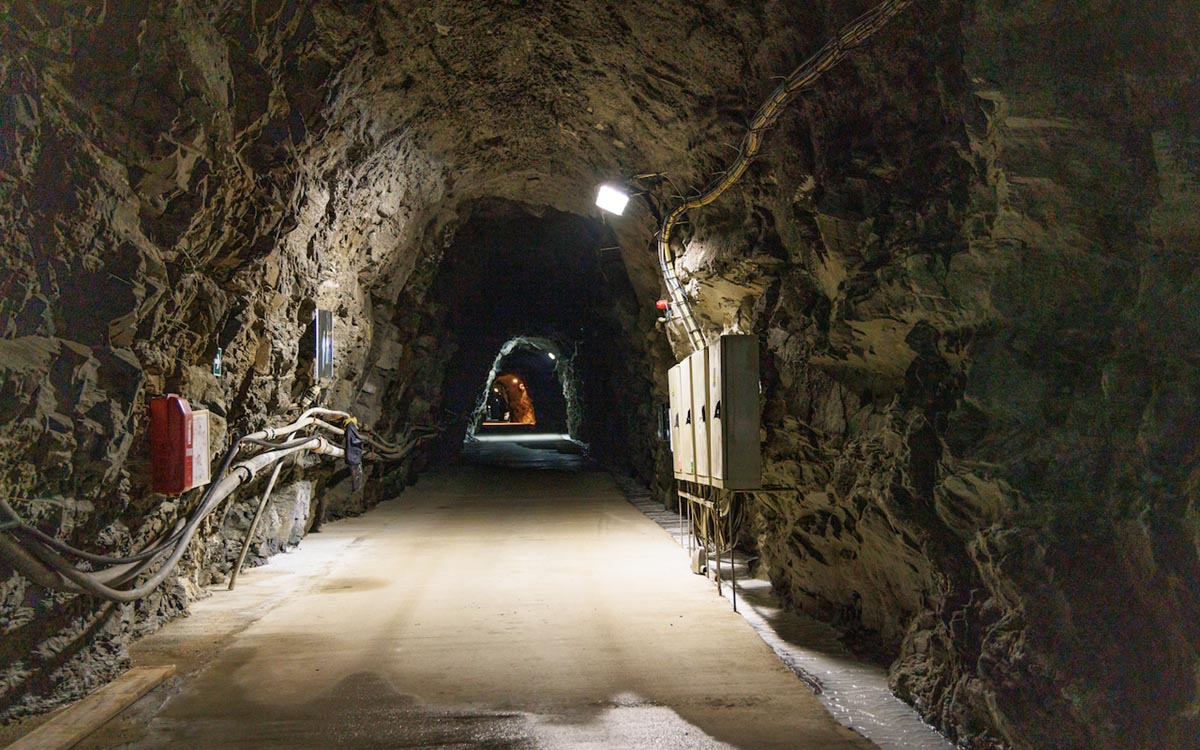
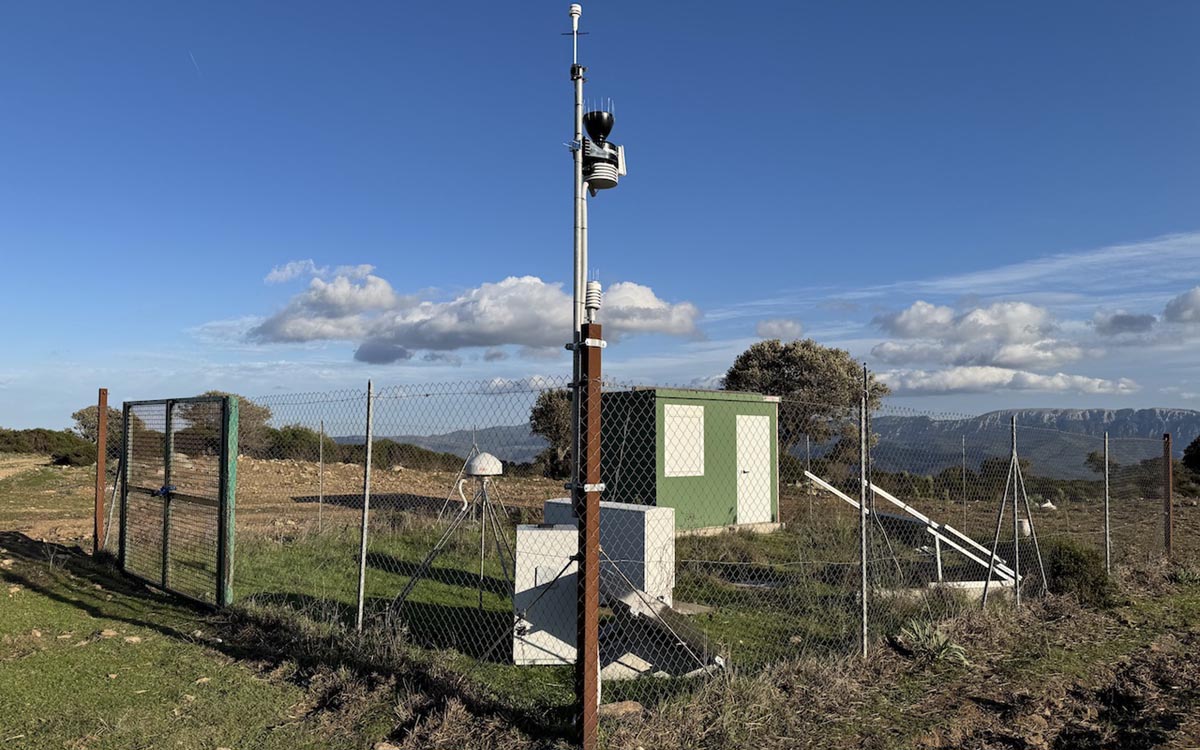
To achieve its exceptional sensitivity, the Einstein Telescope must be located in a tectonically stable environment where both terrestrial and anthropogenic seismic noise are minimal. The Sardinia region, specifically the area of ​​the disused Sos Enattos mine in the Nuoro province, has been identified as one of the most promising candidate sites in Europe. The other two sites competing for the site title are located in the Euregio Meuse-Rhine region (between Belgium, the Netherlands, and Germany) and in Saxony (Germany). The characterization of the Sos Enattos site was one of the scientific activities to which the INGV contributed most. The investigations included gravimetric and seismic measurement campaigns, which allowed imaging of the subsurface structure. The results highlighted a highly homogeneous crust composed primarily of high-density metamorphic rocks and granitoid intrusions. One of the most remarkable features of the Sos Enattos site is its exceptional "seismic silence" in the frequency band in which ET will operate. The installation of a seismic network allowed us to measure the ground vibrations that constitute background noise. This multidisciplinary study confirmed that the Sos Enattos site is among the 10% quietest sites globally. The measurements also allowed us to identify the main sources of seismic noise: below 3 Hz, the main noise is caused by marine microwaves, while human-induced (anthropogenic) noise is almost imperceptible. This is explained by the low population and industrial density of the area, one of the lowest in Europe, which minimizes surface disturbances.


Italy's Commitment to Support the Candidacy

Italy's candidacy to host the Einstein Telescope is the result of a broad and coordinated national effort involving research institutions, universities, the Italian Government, and the Autonomous Region of Sardinia. The project involves the collaboration of three national research institutes: the National Institute for Nuclear Physics (INFN), the National Institute for Astrophysics (INAF), and theIstituto Nazionale di Geofisica e Vulcanologia (INGV), as well as numerous universities. The Italian government has formally pledged its support for the Italian proposal. The Minister of Universities and Research has called the project a "strategic choice" for the country, entailing a total investment of approximately €950 million over the nine-year construction period. The Autonomous Region of Sardinia has also allocated significant funds, which will be used to build SunLab, a modern multidisciplinary laboratory jointly managed by INFN, INAF, and INGV, which will be located near the Sos Enattos mine. SunLab will enable the development and consolidation of permanent research infrastructures in Sardinia, such as the FABER underground geophysical observatory, funded by the PNRR MEET project, led by INGV.
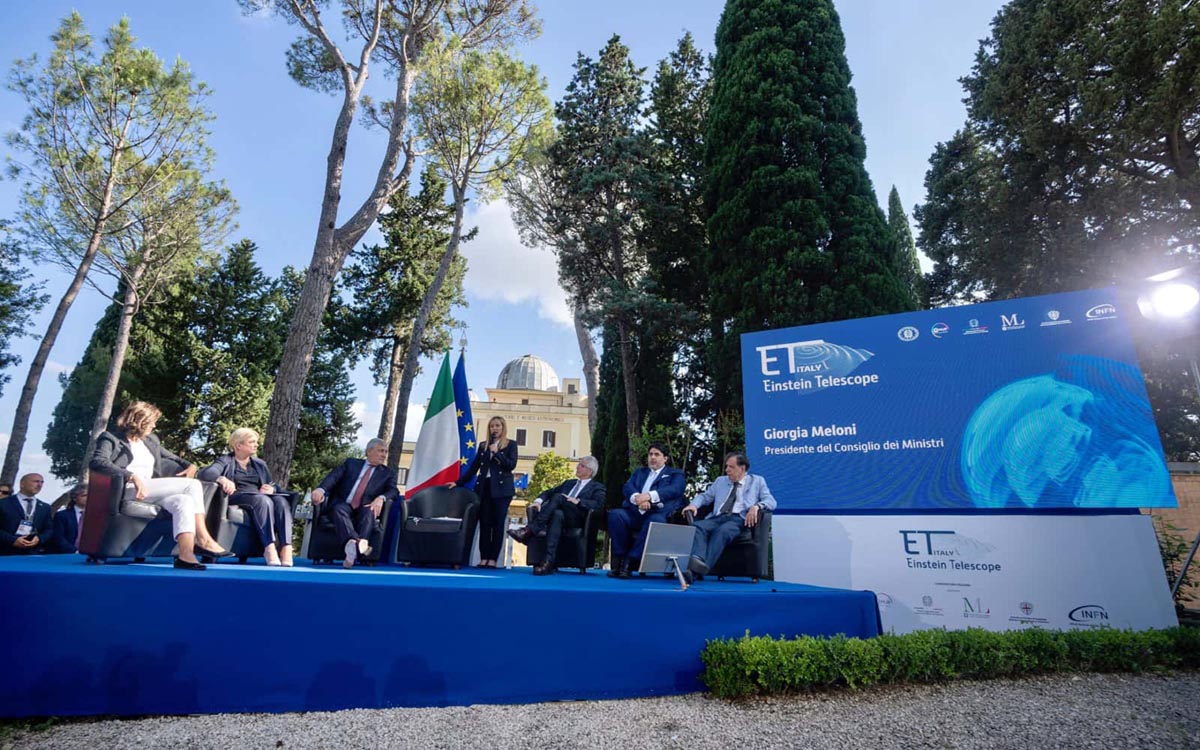

IMG 5331President Meloni at the presentation of the Italian candidacy for the Einstein Telescope (©️ Italian Government)


IMG 5331Carlo Giunchi (INGV)

The Synergy between Research Institutions

The success of an interdisciplinary project like the Einstein Telescope depends largely on the ability to integrate diverse expertise. The INGV has played an active role in strengthening collaboration among the Italian partners, with the strategic intention of creating synergy between the various institutions, recognizing that the integration of different scientific disciplines (physics, astrophysics, and geophysics) is essential to strengthening the Italian candidacy.


Further reading

Einstein Telescope Italy


Einstein Telescope EU


Logo_ingv

 HEADQUARTER

 Via di Vigna Murata 605
 00143 Rome

PHONE NUMBERS

Telephone +39 06518601

CONTACTS

Pec: aoo.roma@pec.ingv.it
info@ingv.it

ufficiostampa@ingv.it


FISCAL CODE

06838821004
VAT IT06838821004

WHISTLEBLOWING

https://whistleblowing.ingv.it

         NEWSLETTER AND PRESS ACCREDITATION
        To register send an email to ufficiostampa@ingv.it 
 
FOOTER LOGOS 2021

Follow us:   Written facebook icon  Written Youtube ICON   Written Flickr ICON  Written Youtube ICON   Written Youtube ICON    Written Youtube ICON   Written Youtube ICON  BSKY foot icon

Creative Commons License
The contents published on these pages by theIstituto Nazionale di Geofisica e Vulcanologia are distributed under license Creative Commons Attribution 4.0 International License. 


  • Legal notices
  • Accessibility
  • Privacy
  • Credits
  • VAT IT06838821004
  • Electronic invoicing and Split Payment
  • PEC